Yves Powell · 26 September 2026
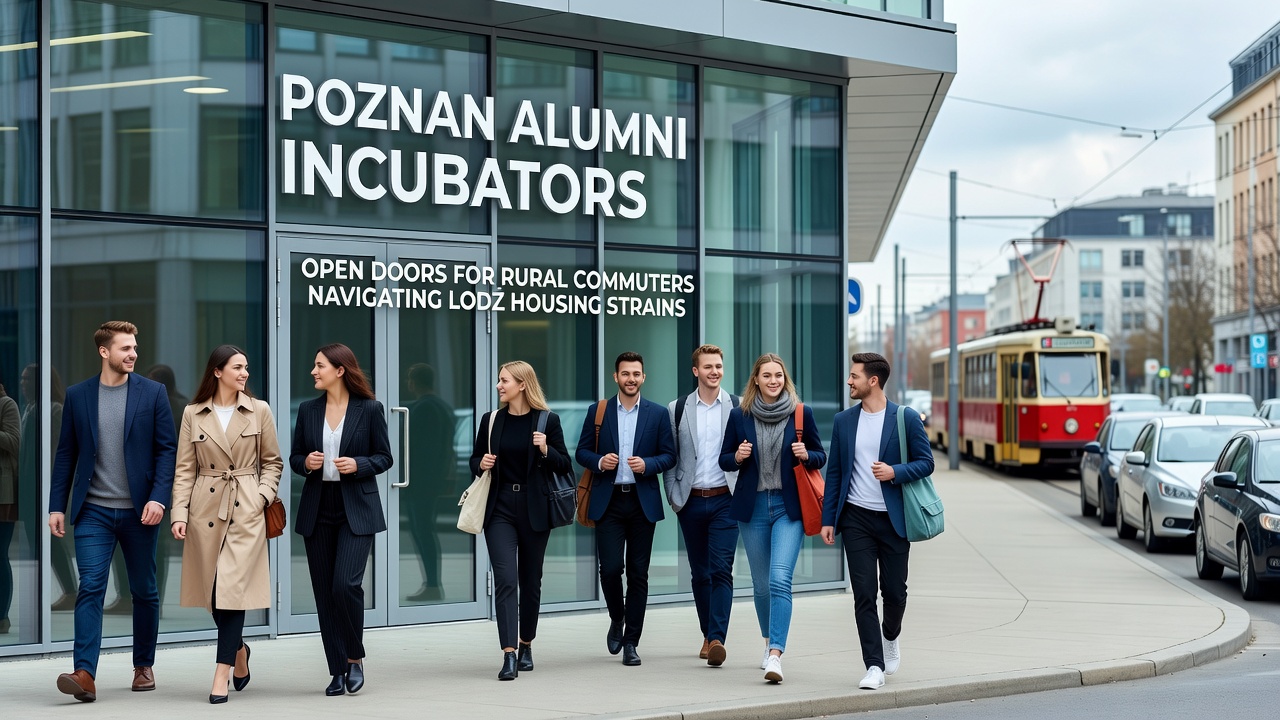
Poznan alumni incubators open doors for rural commuters navigating Lodz housing strains
Students from rural regions across Poland face mounting pressure when seeking higher education options in Lodz, where housing availability remains tight and rental costs continue to rise, while Poznan-based alumni incubators have expanded programs that connect these commuters with flexible work spaces and mentorship networks. Data from regional education offices indicate that enrollment from villages surrounding Lodz increased by 18 percent between 2023 and 2025, yet dormitory shortages and private market prices have pushed many toward daily or weekly commutes that strain time and finances.
Housing Pressures in Lodz Drive New Commuting Patterns
University administrators in Lodz report that incoming students from smaller towns often encounter waitlists exceeding six months for on-campus housing, and average rents for shared apartments climbed to 2,200 PLN per month in 2025 according to local real estate registries. This situation has led commuters to rely on early morning trains from Poznan and surrounding areas, where living costs stay lower and family support networks remain intact. Observers note that travel subsidies introduced by the Ministry of Education in 2024 cover only part of the expense, leaving gaps that alumni initiatives now address through targeted resources.
Alumni Incubators Expand Support Structures
Alumni networks at Poznan universities launched incubator spaces in 2024 that offer co-working access, business development grants, and remote collaboration tools designed specifically for students balancing studies in Lodz with home bases in rural zones. These facilities operate during extended hours to accommodate train schedules, and partnerships with regional transport providers have added discounted monthly passes for verified participants. Research from the European Commission on student mobility shows similar patterns in other EU member states where alumni groups fill gaps left by strained urban housing markets.
One initiative pairs rural commuters with mentors who guide them through side-project development, allowing income generation without relocating fully to Lodz. Participants gain access to seed funding rounds held quarterly, and several teams have secured contracts with local tech firms that permit hybrid schedules. Figures from the Polish Central Statistical Office reveal that rural student participation in such incubator programs grew from 320 in 2024 to 510 by mid-2025.
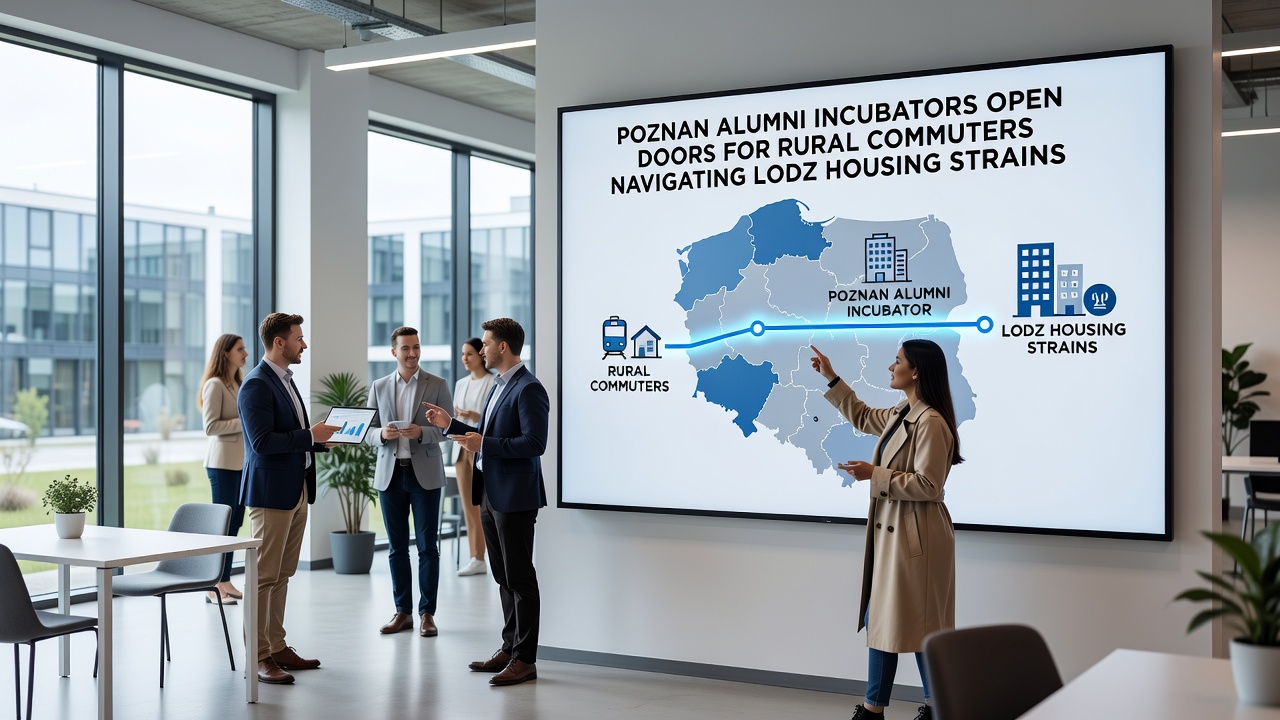
September 2026 Program Rollouts Target Expanded Reach
New cohorts scheduled to begin in September 2026 will incorporate virtual reality tools for remote team meetings and expanded childcare options at select Poznan sites, addressing barriers reported by commuting parents. University records show that previous rounds produced 47 startup launches, with 12 securing follow-on investment from national innovation funds. These outcomes align with findings in an OECD report on higher education entrepreneurship that links alumni-led incubators to improved retention rates among non-urban students.
Training modules cover grant writing, digital marketing, and financial planning, while peer groups meet weekly to share commuting strategies and resource tips. Data collected through participant surveys indicate average travel time reductions of 45 minutes per week when incubators coordinate with Lodz faculty for hybrid course approvals. And yet coordination challenges persist because train timetables and academic calendars do not always align perfectly.
Broader Regional Effects and Ongoing Data Collection
Regional development agencies track how these incubator connections influence local economies, noting that returned earnings from participant projects have supported small businesses in villages near Poznan. A study conducted by the Warsaw School of Economics examined similar cross-city support models and found measurable increases in graduation rates when commuters maintain stable work environments close to home. Government portals list additional funding streams available through 2027 that could extend incubator hours and add satellite locations along major rail lines.
Stakeholders continue to monitor enrollment shifts as Lodz housing construction projects progress, with completion dates projected for late 2027. Meanwhile, the current framework demonstrates how alumni structures adapt to geographic constraints without requiring full relocation.
Conclusion
Alumni incubators in Poznan have established concrete pathways that help rural students manage Lodz housing limitations through flexible workspaces, mentorship, and scheduled program expansions. Official statistics and institutional reports document rising participation and measurable project outputs, while September 2026 marks the next phase of scaled offerings. These developments reflect coordinated responses across educational and regional bodies that address documented mobility and affordability patterns.