Amir Krause · 10 October 2026
Student-Led Digital Literacy Workshops Bridge Gaps for First-Generation Learners at Eastern Polish Technical Institutes
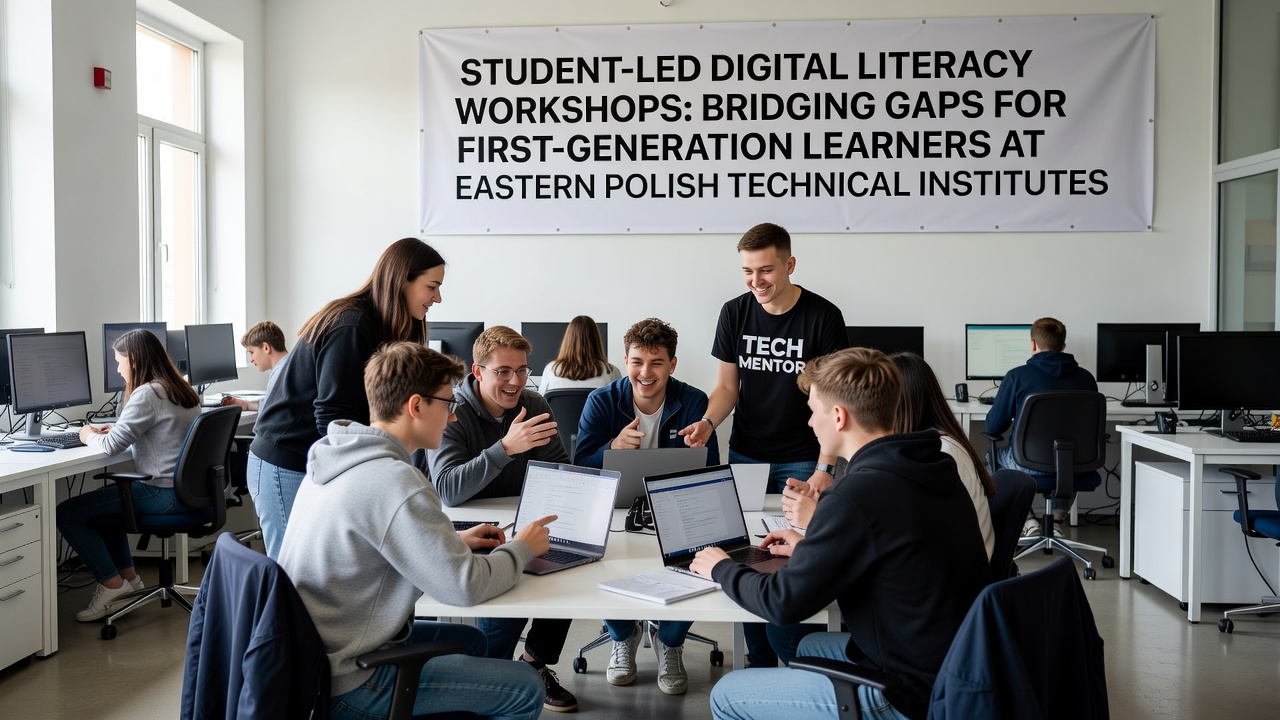
Student volunteers at technical institutes across eastern Poland have developed and run digital literacy workshops that target first-generation learners, and these programs have expanded steadily since their launch in 2023. Institutes in cities such as Lublin, Białystok, and Rzeszów report rising enrollment from students whose parents did not attend higher education, and workshop organizers track participation through registration logs that show consistent growth each semester. Data collected by the institutes indicate that participants gain practical skills in navigating online research databases, using collaborative software, and managing digital security settings, while follow-up surveys conducted at the end of each cycle document measurable improvements in assignment completion rates.
Origins and Structure of the Workshops
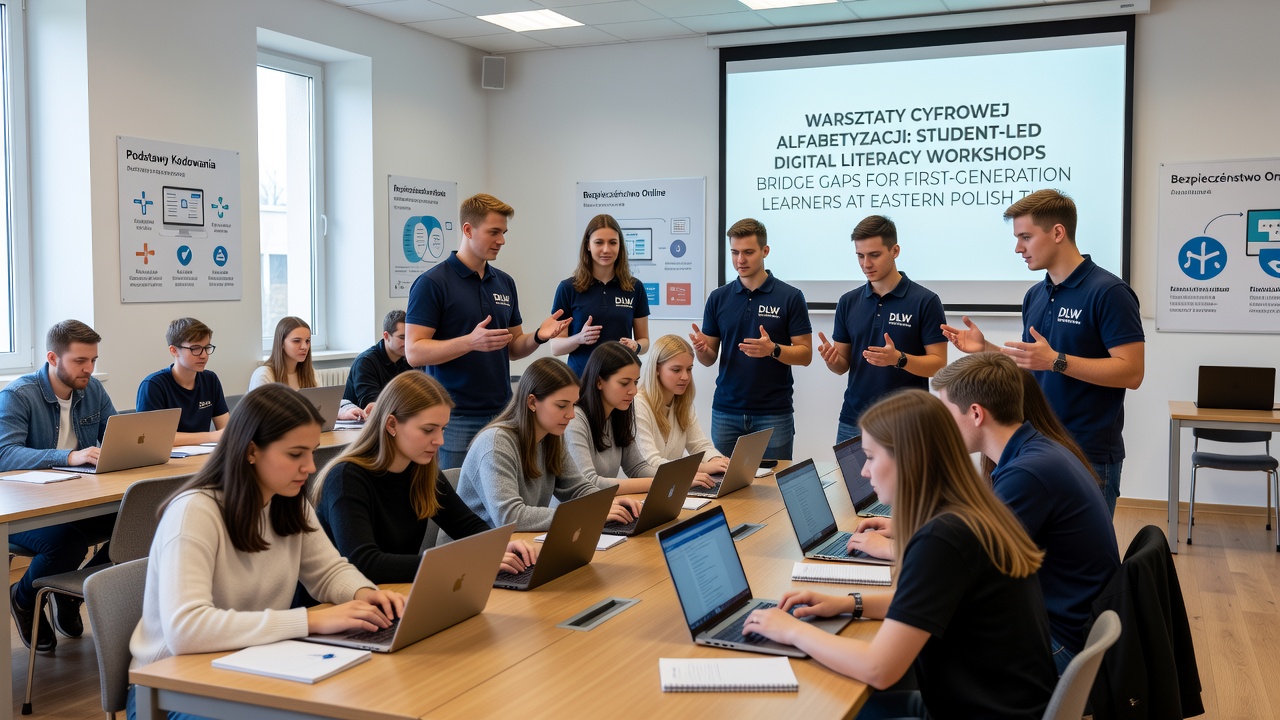
Student councils at these institutes formed the first workshop teams after internal audits revealed uneven access to digital tools among incoming cohorts, and the teams structured sessions around core competencies identified in national education reports. Each workshop series runs for six weeks with two-hour meetings held twice weekly, and facilitators combine short demonstrations with hands-on exercises that allow participants to practice file organization, citation management, and secure cloud storage use. Sessions occur in computer labs equipped with institute-provided laptops, and organizers schedule additional evening slots to accommodate students who balance classes with part-time work.
By October 2026 the programs had reached more than 1,200 first-generation students across five eastern technical institutes, according to aggregated enrollment records maintained by the student unions. Workshop leaders rotate responsibilities so that upper-year students train newer facilitators, and this peer-to-peer model keeps costs low while building institutional knowledge within each cohort. Institutes supply the venues and equipment, whereas student groups secure small grants from regional development funds that cover printed materials and occasional guest speakers from local IT firms.
Participant Demographics and Skill Outcomes
Registration forms ask students to indicate whether they are the first in their immediate family to pursue higher education, and the resulting data reveal that participants come predominantly from rural counties surrounding the institute cities. Pre- and post-workshop assessments administered by the student teams measure proficiency in tasks such as locating peer-reviewed articles through library portals, formatting documents according to technical report standards, and configuring two-factor authentication on institutional accounts. Average scores on these assessments rose by 34 percentage points after completion, and institute records show a corresponding decline in help-desk tickets submitted by workshop attendees for basic software issues.
One cohort at the Lublin University of Technology tracked assignment submission patterns before and after participation and found that the proportion of students submitting work on time increased from 61 percent to 87 percent over two semesters. Similar patterns appear in data shared among the participating institutes, although each site maintains its own internal tracking system. Observers note that the workshops also reduce the time faculty spend answering routine technical questions during office hours, freeing instructors to focus on subject-specific guidance.
Integration with Institute Resources and External Support
Technical institutes integrate the workshops into existing orientation programs so that first-year students receive information about the sessions during initial enrollment meetings, and academic advisors receive lists of upcoming workshop dates to share with advisees. The student organizers collaborate with library staff to ensure that sessions cover the latest versions of research platforms used by each institute, and library usage statistics indicate higher search activity among students who complete the workshops. External partners include regional branches of the Polish Ministry of Education and Science, which provides occasional funding for updated hardware, and the European Commission’s Digital Education Action Plan, whose guidelines on digital competence frameworks inform session design.
Links to broader European initiatives appear in workshop handouts, including references to European Commission digital education resources that outline competency benchmarks adopted by several member states. Another connection points to OECD education indicators that compare digital skill levels across countries, giving participants context for how Polish technical students fit within international patterns.
Expansion Plans and Ongoing Adjustments
Student teams continue to refine workshop content based on feedback collected through anonymous end-of-series forms, and recent adjustments include additional modules on data visualization tools adn ethical use of artificial intelligence in academic work. Institutes in eastern Poland plan to extend the model to neighboring vocational schools during the 2027 academic year, and preliminary discussions have begun with student groups in western regions interested in replicating the approach. Records kept by the organizing committees show that retention rates among first-generation participants who attend at least four sessions exceed 80 percent, compared with overall first-year retention figures of 72 percent at the same institutes.
Conclusion
Student-led digital literacy workshops at eastern Polish technical institutes operate through structured peer instruction, tracked outcomes, and partnerships with institutional and external bodies, and participation data through October 2026 document expanded reach among first-generation learners. The programs continue to evolve as facilitators incorporate new tools and feedback, while maintaining focus on measurable skill gains that support academic progress within technical fields.